
The things you use every single day deserve more thought than the things you use once — yet it's often the opposite that happens in practice, with big-ticket items getting all the careful research and daily essentials getting picked in a rush at the end of a shopping trip.
Cost-per-use is the clearest measure
An item you use daily for years is worth paying more for upfront if it genuinely lasts longer or performs noticeably better — the cost spreads out over thousands of individual uses. An item you'll use rarely simply doesn't deserve the same level of investment, no matter how appealing it looks.
Durability matters more here than almost anywhere else
Everyday items get more wear than anything else you own, so build-quality differences that seem minor on a spec sheet become very noticeable after months of constant, daily use. This is exactly the category where "it's just a small difference" turns out to matter a great deal over time.
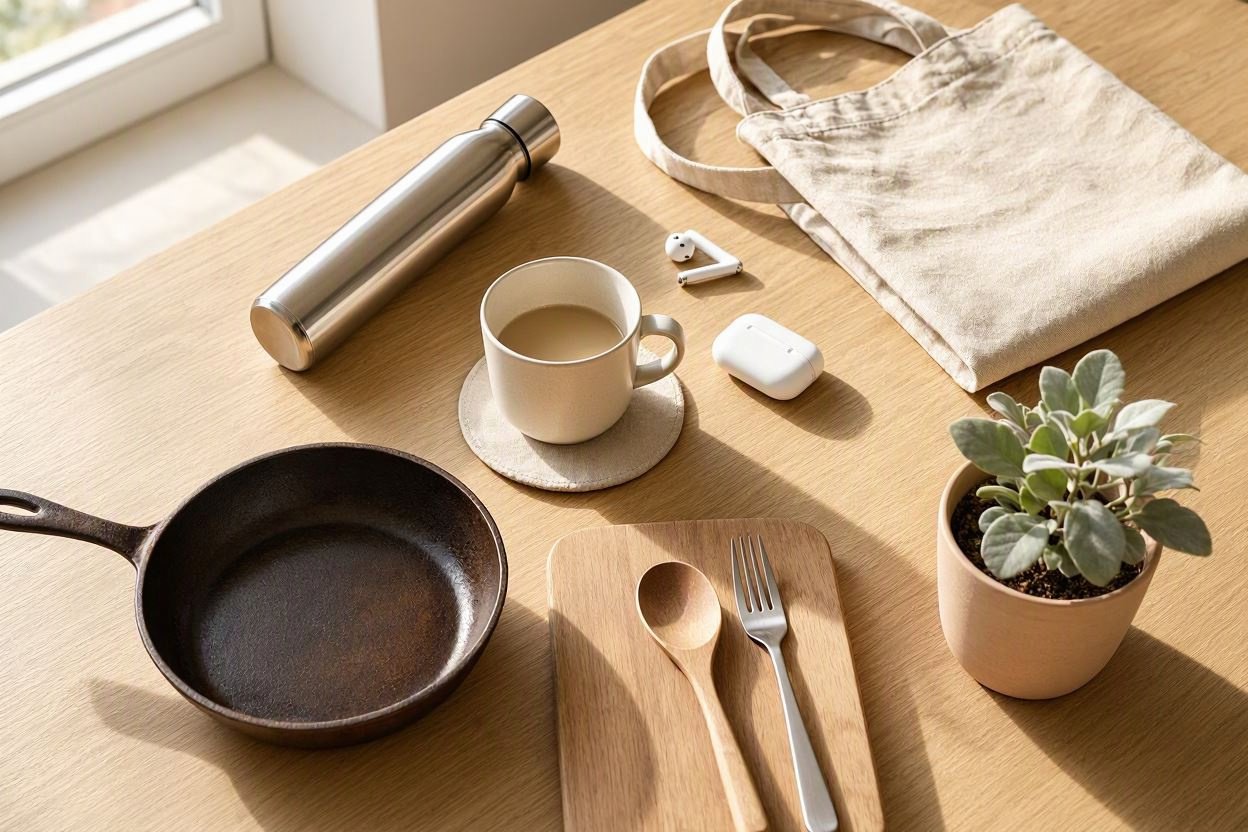
Versatility is worth paying for
A slightly more expensive item that reliably does two jobs well is often better value than two cheaper items that each do one job only adequately. Fewer things doing more, well, tends to beat more things doing less.
Lean on reviews at scale
Reviews are especially useful for everyday products, because there's usually a large number of them from people using the exact same item in the exact same way you plan to. Patterns across many reviews — not just the average score — tend to reveal the real, lived-with experience far more reliably than any single review could.
A few examples across categories
A good kitchen knife, properly cared for, can outlast a decade of cheaper replacements — the cost-per-use math clearly favors spending more once, rather than repeatedly replacing a poor one. A phone charging cable, on the other hand, gets replaced so often by nearly everyone that spending a large premium rarely pays off in practice, even though a slightly better one is still worth choosing.
The pattern repeats across categories: the everyday items worth spending more on are the ones you'd genuinely notice failing — the ones you touch dozens of times a day, where a small quality difference compounds into a very different daily experience over months and years.
"Worth buying" for an everyday item isn't about how impressive it looks in a listing. It's about whether it quietly does its job, day after day, without you having to think about it — and that's usually visible in how people describe it after weeks or months of ownership, not on day one.